How Damascus Steel Became a Status Symbol in Pop Culture
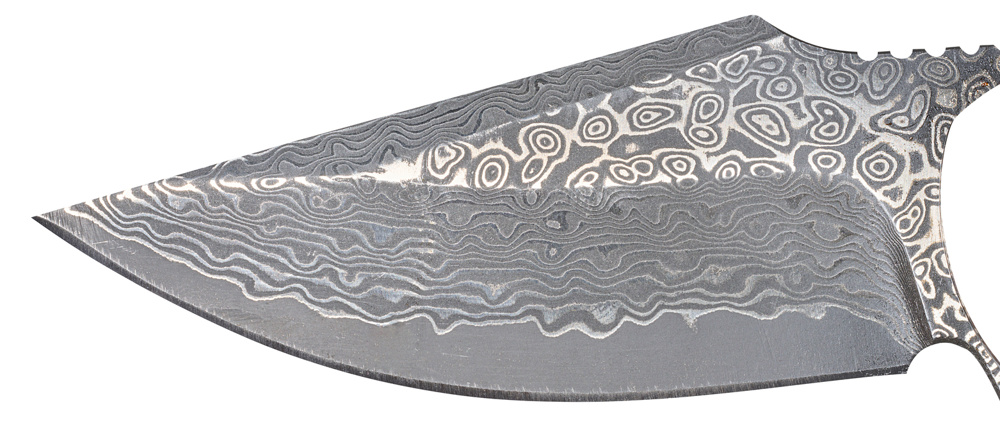
Damascus steel became a pop culture status symbol because its swirling patterns and lost-production mystique signal something factories can't replicate—authentic human skill. You see it on kings' blades, fantasy swords, and collector knives because it works as cultural shorthand for power, rarity, and craftsmanship. Unlike modern materials, it carries visible proof of how it was made, turning every blade into both a tool and a story.
That combination makes it especially powerful in visual media. Whether in films, video games, or social platforms, Damascus steel instantly communicates value without explanation. Its presence signals importance—of the weapon, the character, or the moment. Over time, that visual shorthand evolved into a cultural symbol that extends far beyond its historical origins.
How a Medieval Battlefield Metal Became a Pop Culture Icon
Few materials have made the leap from functional tool to cultural symbol as completely as Damascus steel. Originally derived from Indian wootz steel and refined by Middle Eastern smiths, these blades gained a reputation for combining sharpness, durability, and flexibility—qualities that made them superior in combat.
But what turned Damascus steel into legend wasn’t just performance—it was disappearance. As the original production techniques were lost, the material became surrounded by mystery. Without clear knowledge of how it was made, stories filled the gap, turning real craftsmanship into something almost mythical.
That mythology translated perfectly into modern storytelling. Films, games, and literature adopted Damascus steel as a symbol of elite craftsmanship and ancient knowledge. It no longer represented just a weapon—it represented something rare, powerful, and almost unattainable. That shift is what allowed it to move from history into pop culture as a lasting icon.
Why Damascus Steel Looks So Visually Striking on Screen
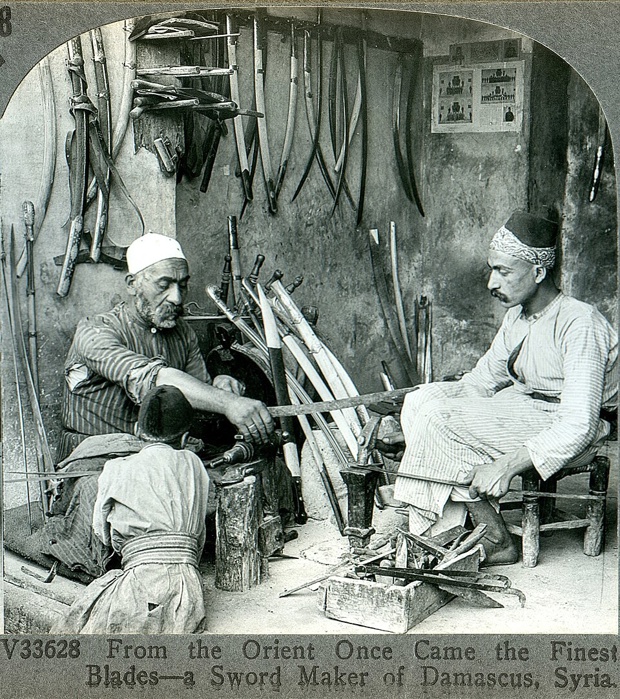
Part of what makes Damascus steel so compelling on screen is something you can see before anyone even swings the blade. The steel's layer dynamics begin during forging, where smiths stack, heat, and fold different carbon-content steels repeatedly. Each fold doubles the layers, and acid etching later reveals those layers by corroding softer steel faster than harder steel.
The result is iridescent contrast — silvery nickel tones sitting beside deep grey bands, light reflecting off microscopic surface variations in ways that suggest movement frozen in metal. Carbon distribution further sharpens those visual separations, darkening some areas while brightening others. On screen, cameras catch that shifting, water-like patterning instantly. You don't need context to recognize it — the blade speaks for itself visually.
The patterns themselves often resemble flowing water or swirling clouds, giving the steel an almost organic, otherworldly quality that translates powerfully to visual storytelling. For those interested in exploring how mathematical patterns mirror these visual properties, trigonometric function graphs can demonstrate how repeating wave structures produce similarly hypnotic visual rhythms.
How Damascus Steel Became the Weapon of Choice in Film and TV?
Damascus steel didn’t just appear in film and television—it became a deliberate choice for signaling importance. When a weapon needs to stand out, filmmakers often rely on visual shorthand, and Damascus patterns provide exactly that.
In fantasy and historical genres especially, blades resembling Damascus steel are often associated with elite warriors, legendary figures, or rare artifacts. Shows like Game of Thrones use Valyrian steel—a fictional material clearly inspired by Damascus—as a way to signal rarity, power, and narrative importance. The moment a character wields such a weapon, the audience understands its significance.
Even outside fantasy, filmmakers use Damascus-style blades to elevate props beyond generic weapons. The pattern adds visual texture, making close-up shots more engaging and giving the object a sense of history. It’s not just a design choice—it’s a storytelling device that communicates status, craftsmanship, and narrative weight in a single frame.
How Video Games Turned Damascus Blades Into Status Symbols?
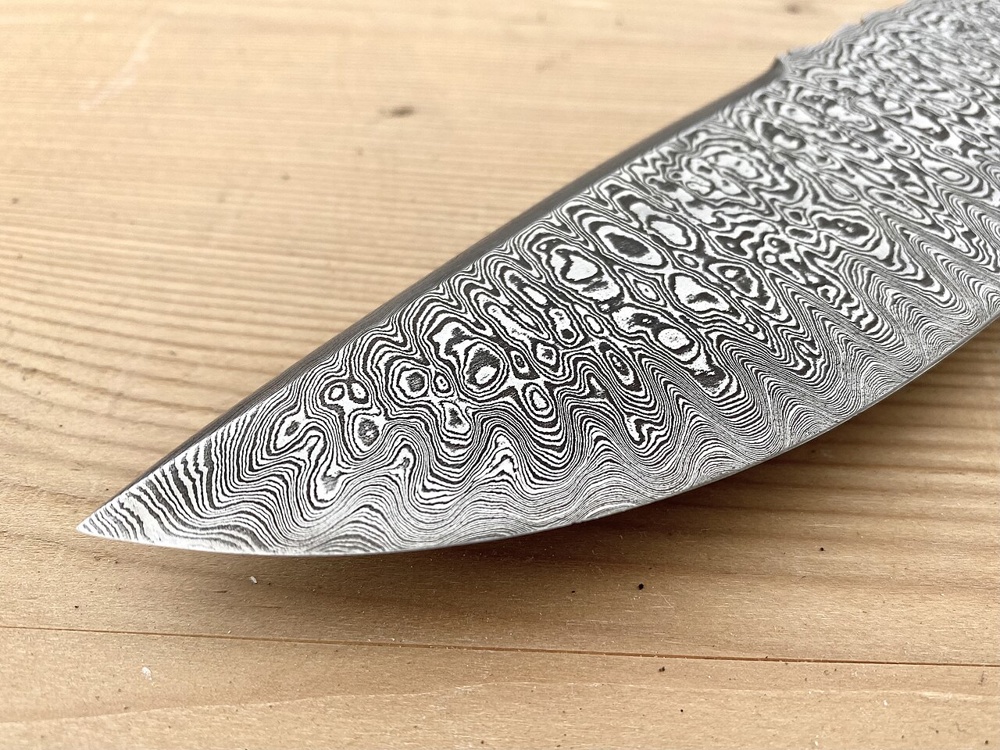
When you pick up a Damascus blade in a video game, you're rarely just picking up a weapon — you're picking up a statement. Developers weaponize loot economics to make these blades unforgettable through:
- Brutal rarity — Granblue Fantasy Relink's Damascus Knife drops from Proud-tier quests with punishingly low odds.
- Meaningful power — Traits like Catastrophe flip your entire build, rewarding commitment over casual play.
- Visual prestige — Counter-Strike's Damascus Steel Flip Knife transcends stats, becoming pure video prestige through its iconic patterned aesthetic.
Game of Thrones' Valyrian Steel mirrors this perfectly — possession signals mastery over scarcity. Whether it's grinding reruns or reading market trends, Damascus blades demand effort, and that effort is exactly what makes them symbols worth chasing. In reality, production methods were closely guarded secrets, passed carefully between generations of master smiths, which only deepened the mystique that pop culture continues to borrow from today.
Why Damascus Steel Makes People Feel Something Most Metals Don't
Unlike most materials, Damascus steel carries a visible history. The patterns aren’t applied—they’re created through repeated forging, layering, and transformation. That process gives the final product a sense of depth that feels earned rather than manufactured.
This creates a stronger emotional response. People aren’t just reacting to how it looks—they’re reacting to what it represents. The blade becomes a symbol of effort, patience, and mastery. Even without knowing the technical details, there’s an intuitive understanding that something complex went into its creation.
That perception is what separates Damascus steel from other metals. It doesn’t feel disposable or interchangeable. It feels intentional. And in a world dominated by mass production, that distinction carries more weight than ever.
Check out MrPopCulture.com and learn more about pop culture trends in Damascus steels.
Why Collectors Pay Serious Money for Damascus Steel Knives?
Collectors value Damascus steel for reasons that go beyond functionality. While performance matters, the appeal is rooted in uniqueness and craftsmanship. Three reasons justify the premium price:
- Labor intensity — Master smiths spend up to a month layering thousands of steel types, creating unmatched edge retention and flexibility.
- Uniqueness — Each blade's swirling patterns are unrepeatable, making every knife a one-of-a-kind collector's piece.
- Premium materials — Exotic wood handles and high-grade steel push quality Damascus knives beyond $5,000.
You're not just buying a cutting tool. You're investing in centuries of metallurgical tradition, rare craftsmanship, and proven performance. Limited supply and intense collector demand guarantee these knives only grow more valuable over time. The original manufacturing process was lost around 1750 AD, deepening the historical mystique that drives collectors to pursue authentic craftsmanship today.
How Bladesmithing Videos Made Damascus Steel an Internet Obsession?
Damascus steel's visual drama translates perfectly to video — and the internet couldn't get enough of it. Channels like Alec Steele and Walter Sorrells built audiences exceeding 2 million subscribers by delivering weekly Damascus builds packed with viral aesthetics — glowing steel, hammer sparks, and hypnotic pattern reveals in 4K.
Creator tutorials from Jason Knight and Connor Creates lowered entry barriers further, inspiring hobbyists to replicate techniques at home. TikTok and Instagram Reels compressed the magic into under 60 seconds, accelerating Damascus demos to viral status almost instantly.
The numbers back it up — Damascus-specific content spikes comments 30% higher than standard forging videos, and share rates double when "perfect" welds appear on screen. You're not just watching craftsmanship; you're watching a cultural obsession unfold in real time.
What Our Damascus Obsession Says About Authenticity Culture?
The internet's fixation on Damascus steel videos isn't just about pretty sparks — it's a symptom of something deeper. You're witnessing a craftsmanship fetish rooted in cultural anxiety about mass production and disposability. Damascus represents three things you crave in modern products:
- Heritage authenticity — a tangible link to ancient ingenuity, not factory assembly
- Verifiable skill — patterns proving human hands shaped something irreplaceable
- Earned rarity — scarcity through genuine difficulty, not artificial marketing
When you buy Damascus, you're rejecting synthetic sameness. Modern pattern-welded versions carry historical mystique even without original wootz steel. Premium brands leverage this storytelling deliberately, connecting ownership to identity rather than utility. Your obsession reveals a broader truth: you don't just want products — you want proof that extraordinary craftsmanship still exists.
Why Damascus Steel Fits Perfectly Into Modern Aesthetic Trends
Modern visual culture places a high value on texture, detail, and uniqueness—qualities that Damascus steel naturally embodies. Its organic patterns align with broader design trends that favor materials with visible variation over uniform finishes. In a landscape where clean minimalism once dominated, there’s now a clear shift toward surfaces that feel more tactile, layered, and visually alive.
This makes Damascus steel especially appealing across multiple mediums. In photography, the patterns catch light in subtle ways, adding depth without needing additional styling. In product design, the material becomes the focal point rather than something that needs to be enhanced.
What’s important is that Damascus steel doesn’t feel manufactured in the conventional sense. Its variation suggests process, time, and human involvement—qualities that modern audiences increasingly value. As aesthetics continue to move toward individuality and authenticity, Damascus steel doesn’t just fit into that shift—it actively reinforces it by embodying those traits in a visible, undeniable way.
How Luxury Branding Turned Damascus Into a Lifestyle Symbol
Beyond media and collectors, Damascus steel has moved into luxury branding, where materials are used not just for function but for meaning. High-end knife makers, watch designers, and accessory brands incorporate Damascus patterns to signal craftsmanship and exclusivity in a way that’s immediately recognizable.
In this context, the material becomes part of identity. Owning a Damascus steel item communicates more than appreciation—it suggests an understanding of quality, a preference for detail, and access to something that isn’t mass-produced. That perception is exactly what luxury branding relies on. The material itself becomes a form of storytelling, linking the product to tradition, skill, and rarity.
This shift expands its role significantly. Damascus steel is no longer limited to tools or weapons—it becomes a design language that can be applied across categories. Whether it’s a watch dial, a ring, or a high-end kitchen knife, the pattern carries the same message. It signals that the object isn’t just functional—it’s intentional. That transformation from material to symbol is what allows Damascus steel to exist comfortably within modern lifestyle branding.
Conclusion
What makes Damascus steel endure isn’t just its history or its appearance—it’s the way those elements come together to create meaning. It exists at the intersection of craftsmanship, storytelling, and visual identity, making it more than just a material. It becomes a symbol that people recognize, interpret, and value across different contexts.
In pop culture, that symbol is especially powerful. It communicates rarity, effort, and authenticity in a way that doesn’t need explanation. Whether it appears in a film, a video game, or a piece of content online, it carries a built-in narrative that audiences understand instinctively.