Knife Skills and Gear Picks for Outdoor Trips Around San Antonio
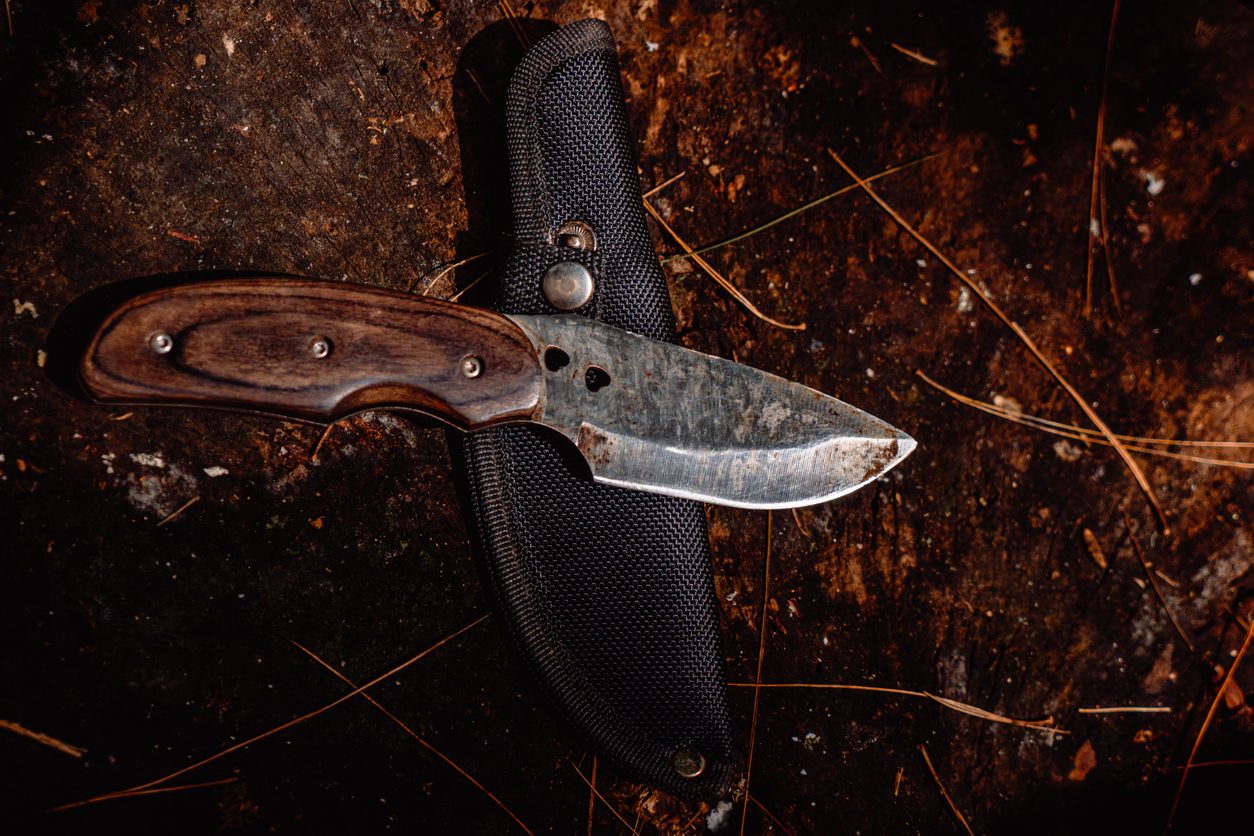
You'll want a fixed-blade knife with full tang construction, roughly 0.15–0.20-inch thickness, and corrosion-resistant steel (such as stainless steel or premium alloys like Elmax or CPM-S35VN) to handle South Texas humidity and thorny brush. A 4 to 5.5-inch drop point blade works well for common outdoor tasks like processing wood, preparing food, and general camp use.
Practice controlled cuts along the wood grain, avoid knots when splitting, and always cut away from your body. Regular cleaning helps prevent caliche dust and grit from wearing down your blade, while routine sharpening and light oiling keep it reliable in the field.
What Makes a Survival Knife Right for South Texas Terrain
When selecting a knife for South Texas terrain, corrosion resistance and durability are your top priorities. Stainless steels perform well in humid environments, while premium steels like Elmax offer excellent edge retention with reasonable field sharpening.
A blade length of 4 to 5.5 inches provides versatility—large enough for light wood processing but still precise for carving and food prep. A drop point blade shape with a flat or saber grind handles general outdoor use effectively.
Choose a blade thickness of at least 0.12 to 0.20 inches, depending on intended use. Fixed-blade knives with full tang construction offer the most durability. Handle materials like micarta or textured G-10 provide a secure grip in humid or wet conditions. A partially serrated edge can help with rope or fibrous material, though many outdoor users prefer a plain edge for easier sharpening.
Safe Batoning, Carving, and Chopping Techniques
Batoning can be useful for splitting small pieces of wood when no hatchet is available, but it should be used carefully and only with a sturdy fixed-blade knife.
Position your blade along the grain of the wood and strike the spine with a wooden baton. Start with light taps, then increase force gradually. Keep your hands clear of the blade path and avoid knots or twisted wood, which can damage the knife.
Work on stable ground or a flat surface for control. For most camping scenarios around San Antonio, collecting smaller deadwood and breaking it by hand is often safer and more efficient than heavy batoning.
Build Emergency Shelters from Mesquite and Brush
South Texas vegetation like mesquite, huisache, cedar elm, and yucca can be used to build basic shelters. A knife helps trim branches and shape support structures. Mesquite's hardwood density and natural branching angles make it the backbone material for emergency shelters across San Antonio's Hill Country terrain.
Create a simple lean-to by securing a ridge pole between two supports, then layering branches at an angle to block wind and sun. Dense brush can provide shade and insulation from heat, which is often more critical than cold protection in this region.
Focus on airflow while maintaining shade. Avoid cutting large amounts of live vegetation—use fallen branches when possible to follow Leave No Trace principles.
Split Firewood and Start Fires With Your Blade
A knife can assist with fire preparation, especially for creating kindling. Use batoning only on small, straight-grained sticks under about 2 inches thick.
To make feather sticks, shave thin curls from dry wood to create easily ignitable material. Pair your knife with a ferro rod for reliable fire-starting rather than relying on friction methods alone, which can be difficult in humid conditions.
Always maintain a safe working position and keep your cutting path directed away from your body.
Make a Bow Drill Fire Starter with Your Survival Knife
A bow drill can be created using a knife to shape components, though it is typically considered an advanced and situational skill.
Carve a hearth board and spindle from dry wood, create a notch for ember collection, and use cordage to form the bow. While effective in dry environments, friction fire methods can be challenging in South Texas due to humidity. Carrying a lighter or ferro rod is far more reliable for most trips.
Field Dress Game and Process Wild Edibles Safely
If hunting, proper field dressing helps preserve meat quality in Texas heat. Work quickly, keep the carcass clean, and allow airflow for cooling.
For wild edibles, items like prickly pear fruit and agarita berries can be safely harvested with a knife. Always confirm plant identification before consumption and follow Texas Parks and Wildlife guidelines for harvesting and disposal.
Carve Trail Markers Through Dense Texas Vegetation
Instead of carving trees, which can damage ecosystems, use temporary and low-impact navigation methods such as flagging tape or GPS.
In dense areas like mesquite thickets or cedar breaks, clearing minimal brush for visibility is acceptable when necessary, but avoid permanent markings. Responsible navigation helps preserve natural habitats for future visitors.
Treat Cuts, Remove Cactus Spines, and Repair Gear
A knife is useful for cutting bandages, trimming materials, or preparing gear repairs, but first aid should rely on a proper kit.
For cuts, apply direct pressure and clean with potable water. Avoid harsh chemicals that can damage tissue. Use tweezers or tape to remove cactus spines and glochids.
Your knife can also cut cordage for repairs, helping secure loose straps or patch gear during your trip.
Keep Your Survival Knife Sharp in Caliche and Desert Dust
San Antonio’s caliche soil and fine dust can dull blades quickly. Clean your knife regularly with water and a soft brush to remove grit.
Dry thoroughly after cleaning and apply a light coat of oil to prevent corrosion. Sharpen periodically using a portable stone or field sharpener.
Store your knife in a dry environment, avoiding long-term storage in leather sheaths, which can trap moisture.