A Historical Calendar of Sword Development From Bronze to Steel
Sword development spans thousands of years of material innovation, battlefield adaptation, and cultural meaning. You can trace it from Anatolia’s earliest bronze blades around 3300 BC, through the Iron Age shift at 1200 BC, into deliberate steel-making via carburization, and finally to medieval armor forcing entirely new designs like the estoc by 1300–1500 AD.
What makes swords unique isn’t just their function, but their ability to evolve alongside human needs. Every breakthrough reflects a pressure: stronger armor, larger armies, or more efficient production. And over time, those practical changes turned swords into something more than tools—they became enduring cultural symbols that still shape storytelling today.
The First Swords: Where Bronze Age Blades Began
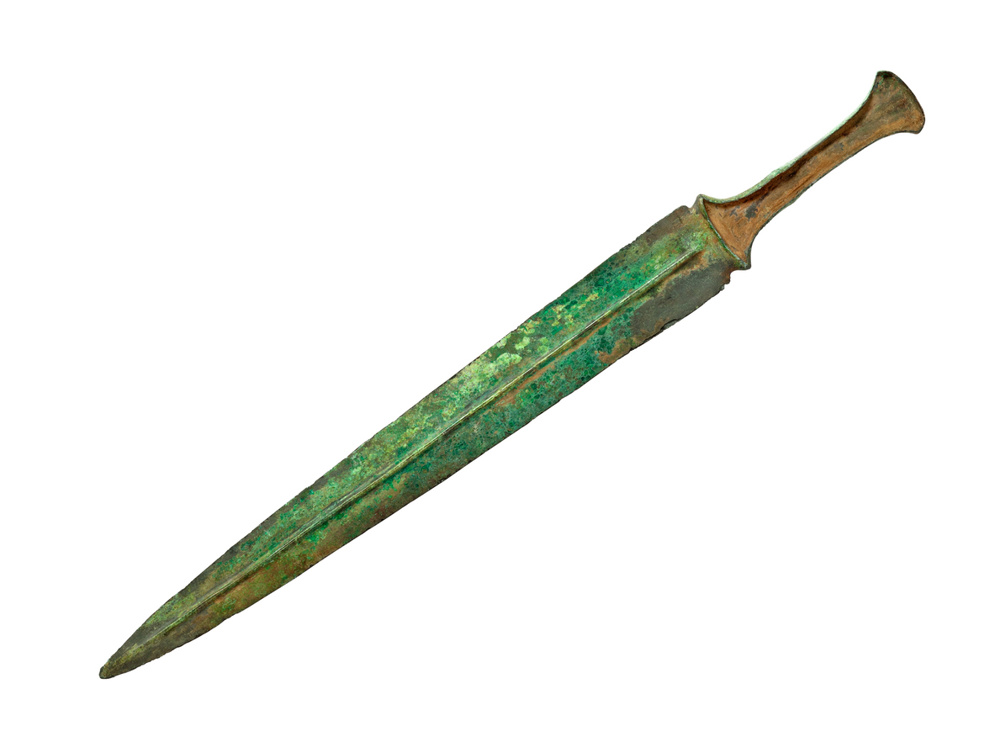
The story of the sword begins not with iron or steel, but with copper and bronze, stretching back over 4,000 years to ancient Mesopotamia and Anatolia. Early examples, such as those found at Arslantepe around 3300 BC, represent the first transition from simple daggers to longer, purpose-built weapons.
At this stage, swords were rare and valuable. Bronze required a combination of copper and tin, and both materials had to be mined, transported, and refined. This made early swords symbols of status as much as tools of combat. They were often carried by elites or warriors of high rank, reinforcing their importance beyond the battlefield.
As casting techniques improved, blades grew longer and more refined. By around 1700 BC, swords like the Aegina specimen showed clear design evolution—longer blades, reinforced tangs, and better balance. These weren’t experimental anymore. They were deliberate, functional weapons designed for combat.
Why Early Bronze Swords Stayed Short for So Long
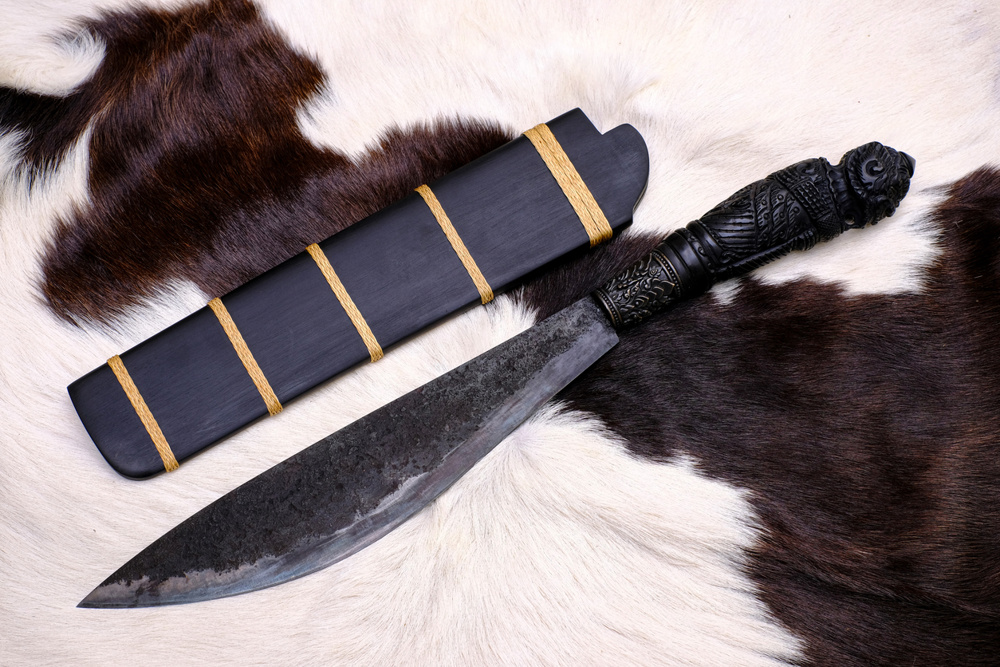
Despite advances in casting, bronze swords remained relatively short for centuries. The limitation wasn’t imagination—it was material reality. Bronze, while strong, is brittle under stress. Extending a blade too far increased the risk of snapping during impact, especially in close combat.
Because of this, most bronze swords stayed within a safe length range of about 60–80 cm. Their design reflected their origins as extended daggers, favoring thrusting over slashing. This wasn’t a weakness—it matched how people fought at the time.
Combat during the Bronze Age often involved tight formations and the use of shields. In these conditions, shorter blades were more effective. They allowed for quick, controlled movements without sacrificing stability. A longer blade might have looked impressive, but it would have been impractical in close quarters.
Cultural practices also played a role. Many bronze swords were ritually deposited or deliberately broken as offerings, reinforcing their value beyond combat. These weren’t disposable weapons—they were objects tied to identity, status, and belief.
How the Iron Age Transformed Sword-Making Forever
Around 1200 BC, iron began replacing bronze, and the shift fundamentally changed sword-making. Unlike bronze, iron was far more abundant, allowing for wider production and distribution. Weapons were no longer limited to elites—entire armies could now be equipped.
Iron also introduced new possibilities in design. While early iron wasn’t immediately superior in sharpness, it was far tougher. Instead of snapping under stress, iron blades bent, making them more reliable in combat. This allowed smiths to experiment with longer blades and more varied forms.
The bloomery process became central to production. Smiths heated iron ore into a spongy mass, then hammered it repeatedly to remove impurities and strengthen the material. Over time, this process became more refined, leading to stronger, more consistent blades.
Did Early Iron Swords Actually Outperform Bronze?
Iron's rise over bronze sounds like a clear upgrade, but the reality's more complicated than you'd expect. Early iron swords actually lost the edge hardness battle to high-quality bronze, which reached 240 HV hardness. So why did iron win?
- Combat toughness: Iron bent under stress; bronze snapped, making iron far more reliable mid-fight.
- Length advantage: Bronze's brittleness capped blade length; iron's forgeable nature allowed longer, deadlier reaches.
- Availability: Tin scarcity kept bronze exclusive; iron's abundance enabled mass army equipping from the 8th century BC onward.
Bronze was sharper initially, but you couldn't scale it affordably or trust it not to break. Iron's durability and accessibility ultimately made it the dominant choice. The shift mirrored broader cultural reactions against inferior mass production, much like how Arts and Crafts values drove craftsmen to reject the low-quality output of the Industrial Revolution in favor of superior materials and technique.
Be sure to check out tools to build your own custom calendars today!
How Adding Carbon to Iron Created True Steel Swords
Ancient smiths stumbled onto something transformative: iron left longer in charcoal fires absorbed carbon and became noticeably harder than iron heated briefly. You'd expect such a discovery to spread quickly, but carbon's role remained poorly understood for centuries, with absorption happening mostly by accident through charcoal and coal heat sources.
Early carburization techniques eventually became deliberate. Smiths added bone bits to fires, then sealed iron inside pottery vessels with organic materials, controlling carbon absorption without unwanted impurities. Higher temperatures and lower oxygen environments favored greater absorption, giving smiths meaningful control over hardness.
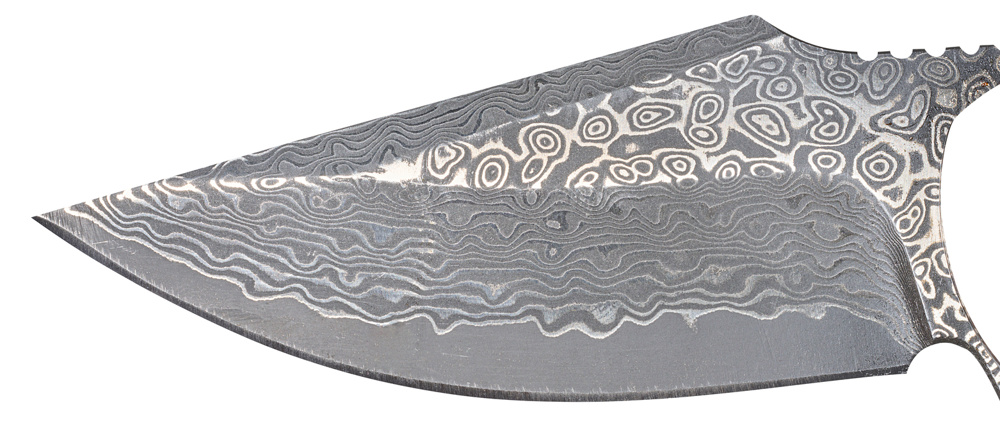
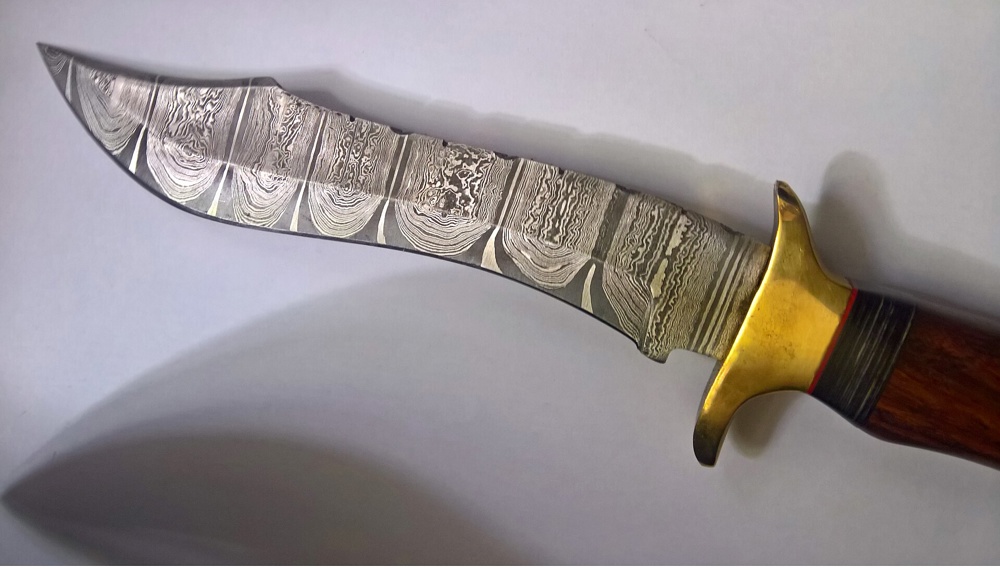
Faggoting evolution addressed another limitation—early forges could only heat small iron pieces. By alternating layers of carbonized steel with softer iron, smiths combined edge-holding hardness with flexibility, producing the material we'd now recognize as true functional steel. The composite billets produced through this technique are the direct ancestors of what is today popularly, though incorrectly, called Damascus steel.
How Damascus and Tamahagane Redefined the Sword
Two steel traditions—Damascus and tamahagane—didn't just improve the sword; they redefined what a blade could be. Each brought something no previous smith had achieved: beauty fused with brutal function. Damascus aesthetics weren't decorative accidents. Those swirling patterns reflected layered carbon structures delivering:
- Yield strength averaging 740 MPa
- Sharp, resilient edges that survived multiple battles
- Alternating ductile and hard layers for superior toughness
Tamahagane rituals ran equally deep. Japanese smiths smelted iron sand through tatara furnaces, folding and differentially hardening steel across generations of secret knowledge. The result was the katana—optimized for cutting precision and flexibility under samurai combat conditions.
Both traditions nearly vanished. Today's metallurgists are rediscovering these techniques, applying ancient logic to modern materials and proving the old masters got it right. The earliest high-carbon steel was developed in the Indian subcontinent through crucible smelting. This formed the foundational knowledge that would eventually travel trade routes and evolve into the legendary Damascus tradition.
Why Medieval Armor Forced an Entirely New Sword Design
By the late medieval period, the rise of plate armor forced a dramatic shift in sword design. Traditional cutting blades became less effective against hardened steel armor, requiring new approaches to combat.
Swordsmiths responded by creating narrower, more rigid blades designed for thrusting. Weapons like the estoc were built to exploit gaps in armor, targeting vulnerable areas such as joints and visors. This marked a shift from cutting to precision-based combat.
At the same time, techniques evolved. Fighters began using half-swording, gripping the blade itself to gain better control and leverage. Swords were no longer just cutting tools—they became instruments of manipulation, used to pry, push, and control opponents. This period shows how quickly design can change under pressure. Armor didn’t just defend against swords—it reshaped them entirely.
How Swords Became Cultural Symbols in Pop Culture
As swords evolved physically, they also took on symbolic meaning that extended far beyond their original use. Over time, they became associated with power, honor, identity, and even morality across different cultures. What began as a functional weapon gradually transformed into a representation of values.
In Western traditions, the sword became inseparable from the idea of knighthood and chivalry. It wasn’t just a weapon—it was a marker of status and responsibility. Knights were often “dubbed” with a sword, reinforcing its role as a symbol of authority and duty. Carrying a sword implied discipline, loyalty, and adherence to a moral code. In Japan, the katana developed a similar but distinct meaning.
It represented not only skill in combat, but also personal discipline, honor, and social standing within the samurai class. These associations elevated swords into cultural artifacts tied to identity and philosophy. Modern media builds directly on these foundations. Films, games, and television rarely present swords as neutral objects—they are almost always loaded with meaning.
Why Fantasy and Games Still Use Medieval Sword Logic
Even in fictional settings, sword design often follows historical logic. Fantasy films, RPGs, and action games frequently feature weapons inspired by real-world examples, from European longswords to Japanese katanas. These designs aren’t chosen randomly—they persist because they feel believable, even in worlds that are otherwise entirely imagined.
This reliance on historical logic comes down to familiarity and function. Real-world swords evolved in response to practical needs: balance, durability, reach, and control. When fantasy creators borrow these designs, they inherit that sense of practicality. Audiences may not consciously recognize the details, but they instinctively understand that these weapons “make sense.”
Game mechanics reinforce this connection even further. Swords are often positioned as balanced weapons—faster than heavy axes, more versatile than specialized tools, and more accessible than complex ranged systems. This mirrors their historical role as reliable, adaptable weapons used in a wide range of situations.
Why Swords Still Matter in Modern Pop Culture
Despite the dominance of firearms and modern weapons, swords remain central in pop culture. They continue to appear in films, games, and literature not because they are practical in today’s world, but because they represent something more fundamental—direct, personal conflict.
Unlike ranged weapons, swords require proximity. They demand control, timing, and physical presence. This makes them uniquely suited for storytelling, where tension and character interaction are key. A sword fight isn’t just about winning—it’s about confrontation, skill, and emotional stakes.
This immediacy creates a stronger connection between character and action. When a character uses a sword, their ability is visible. There’s no distance, no abstraction—just skill, precision, and decision-making in real time. That clarity makes swords powerful storytelling tools, allowing audiences to engage more deeply with what’s happening on screen.
Conclusion
Sword development is more than a technical history—it’s a reflection of how humans adapt, innovate, and assign meaning to the tools they create. From bronze to steel, each advancement solved a problem while introducing new possibilities.
Over time, swords moved beyond function. They became symbols of power, identity, and storytelling. That transformation is why they remain relevant today, long after their practical dominance has faded. The sword’s evolution didn’t end in the medieval period—it continues in how we interpret and use it in culture. And that’s what makes it enduring: not just what it was, but what it continues to represent.